

We’re not big fans of kibble, and for good reason—it’s far from ideal for your cat’s health. However, we understand that transitioning to a moisture-rich diet, such as wet or homemade food, isn’t something everyone can do overnight. That’s why in this article, we’ll guide you on how to choose the least harmful dry food for your cat. From understanding ingredient labels to avoiding harmful additives, you’ll learn how to read kibble labels to make better choices for your cat’s nutrition and well-being.
It’s essential to understand what cats require nutritionally. In the wild, a cat’s diet consists mostly of animal proteins and fats, with minimal carbohydrates coming from the stomach contents of their prey. Their natural diet is approximately 56%-63% protein, 25%-30% fat, and 70% water.
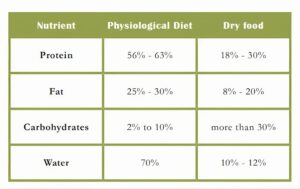
By contrast, most dry cat food contains around 30% protein and only 10% moisture, which is significantly less than what they need. According to the AAFCO (Association of American Feed Control Officials), adult cats need at least 26% crude protein and 9% fat (on a dry matter basis) to maintain their health. To better mimic their natural diet, aim for dry food with at least 30% protein, although some premium brands offer up to 46%. This still falls short of the high protein requirements of obligate carnivores like cats, so it’s essential to supplement with other moisture-rich foods.
It’s important to note that kibble lacks the hydration necessary for your cat’s overall health. Cats naturally have a low thirst drive and rely on their food for hydration. Therefore, it’s recommended to complement their diet with wet food or transition to a natural raw or cooked homemade diet whenever possible.
How to read a cat food label
When choosing a high-quality dry food, there are two main factors to consider: ingredients and composition. Ingredients tell you what the food is made of, while composition shows the percentage of nutrients like protein, fats, carbohydrates, vitamins, and minerals.
Ingredients: What to Look For
The ingredients on a pet food label are listed in descending order by weight.
Protein
To ensure you’re buying high-quality food, the first 3–5 ingredients should be animal-based proteins such as chicken, turkey, beef, or salmon. Avoid vague terms like “meat meal” or “animal by-products”, which may indicate low-quality sources. Here’s a breakdown of common protein forms:
- Fresh Meat (Chicken/Fish/Beef): Includes meats that have not been previously processed.
- Organ Meats (Liver and Others): Includes liver, heart, kidneys, and other organs rich in essential nutrients.
- Dehydrated Meat: Meat that has been dried to remove water content, preserving nutrients.
- Egg Protein: Dehydrated eggs in powder form, rich in high-quality proteins.
- Meat Meal: Cooked and dried meat converted into powder, including chicken, turkey, fish, etc.
- Hydrolyzed Protein: Animal proteins broken down into amino acids and peptides for easier digestion and reduced allergenicity.
- Fish/Poultry By-Product Meal: Includes non-muscle parts like bones and tissues, cooked and dried.
- Animal By-Product Meal: By-products that are not muscle meat, such as bones and viscera, cooked and processed.
- Blood Meal: Cooked and dehydrated animal blood, used for its high protein and mineral content.
Also, you have to avoid plant-based proteins like potatoe protein, corn gluten meal and pea protein.
Remember: Don’t just focus on the protein percentage—what really matters is where it comes from and how good it is. That’s why it’s super important to check the ingredients. Keep the list we shared in mind when you’re picking your cat’s food!
Carbohydrates
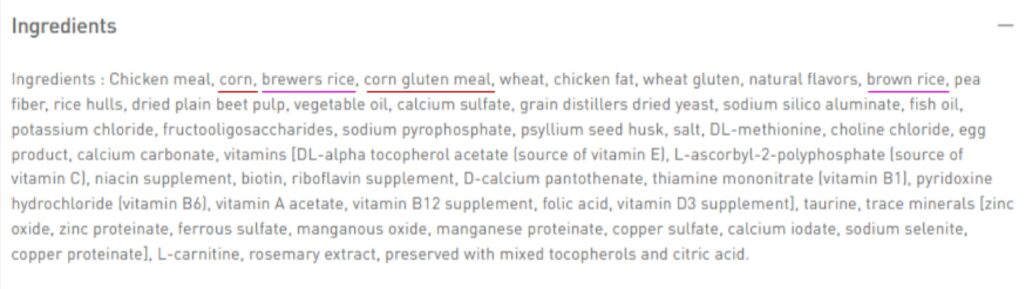
On the other hand, carbohydrates should be limited, as they are not a natural part of a cat’s diet. Unfortunately, many dry foods rely on carbs like corn, wheat, or rice to form the kibble. A lot of these brands split ingredients like corn into things like “corn,” “corn gluten meal,” and so on. In the end, you end up with more unnecessary carbs than actual animal protein in a food meant for a strict carnivore.Opt for grain-free options that use vegetables or fruits as fillers, but remember that even these are not essential for cats.
Additives
There are different types of additives used in dry food and canned food: flavor enhancers , thickeners, artificial colors and antioxidants. It is very important to us, as owners, to identify these products before buying any kibble for our cats.
- Flavor enhancers: used to improve taste and make the food more appealing to cats, encouraging them to eat it, especially when the quality of the primary ingredients is low. Common examples include “natural flavors”, which are often vague and can come from unspecified animal or plant-based sources, and “animal digest”, which is made from enzymatically or chemically processed animal tissues. You should avoid them.
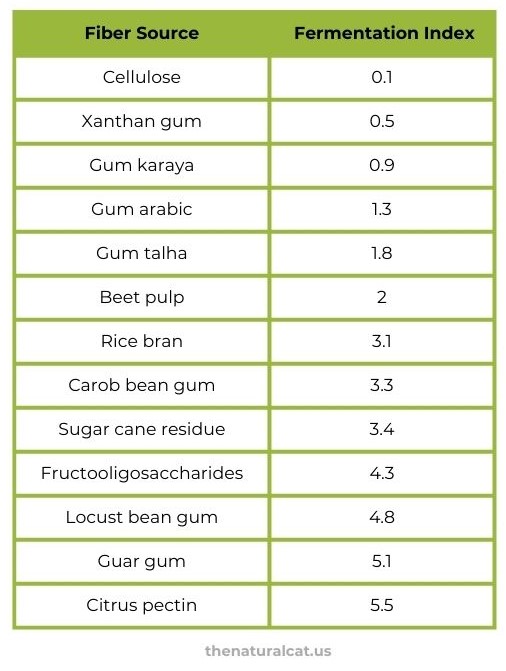
- Thickeners: commonly used in canned cat foods or pouches, especially in those labeled as “shreds” or “gravy-style”. These ingredients help improve the texture and consistency of the food, giving it a thicker, more appealing appearance. Common thickeners include carrageenan, guar gum, gum arabic, potato starch, tapioca starch and carboxymethylcellulose. In addition to their thickening properties, some also act as fermentable prebiotic fibers, depending on the type of gum used. As shown in the table below, guar gum is better fermented and more digestible than xanthan gum. This means guar gum supports good gut bacteria, promotes a healthy microbiome, and aids in the production of beneficial short-chain fatty acids. However, some cats may be sensitive to these additives, so it’s important to monitor your cat’s reaction and choose food that prioritizes their health.
- Artificial colors: added primarily to make the food more visually appealing to pet owners, not the cats themselves. Cats don’t rely on the appearance of their food and are more influenced by smell and taste. Examples of artificial colors commonly used in kibble include tartrazine (yellow), iron oxide (reddish hues), carotenoid pigments (orange tones), and red allura (red). Prolonged exposure to certain artificial dyes has been linked to health concerns, including allergies and gastrointestinal issues. You should avoid them.
- Antioxidants: essential in kibble to prevent rancidity and maintain the flavor, smell, and texture of the food. There are two main types of antioxidants: natural and synthetic. Natural antioxidants, such as tocopherols (vitamin E), ascorbic acid (vitamin C), rosemary extract, and calendula extract, should be prioritized as they are safer and healthier. However, they are more expensive, which often raises the price of foods that use them.Synthetic antioxidants, like BHT, BHA, and ethoxyquin, should be avoided because they are linked to potential carcinogenic effects and other health risks. Additionally, other harmful additives to watch out for include propyl gallate, propylene glycol, and DL-methionine. When choosing a kibble, always opt for natural preservatives and avoid synthetic additives to ensure the best health outcomes for your cat.
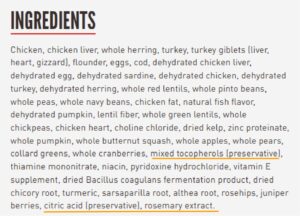
Advice: When purchasing dry food for your cat, always check the manufacturing date and opt for fresher options to ensure the highest nutritional value. Avoid buying large bags unless you can use them quickly, as prolonged exposure to air can degrade the quality of the food, reducing its vitamin content and causing the fats to oxidize, which can lead to rancidity. Proper storage in airtight containers can help preserve freshness.
Composition: Understanding Nutrient Ratios
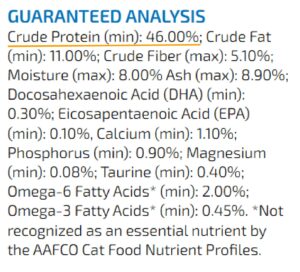
A good dry cat food should prioritize proteins and fats while keeping carbohydrates as low as possible. Look for a protein content of at least 30% and ideally higher. Fats are essential for energy and should come from animal sources like chicken fat or fish oil. Fish oil, in particular, is rich in Omega-3 fatty acids, which have anti-inflammatory properties and help maintain healthy skin and coat. These nutrients are usually listed in the Guaranteed Analysis section of the food label.
Protein
Look for a minimum crude protein content of at least 30% for adult cats, which supports their carnivorous needs. Kittens or pregnant/nursing cats require even higher protein levels. We do not recommend buying dry food with fish as the first ingredient or in a high percentage due to risks of mercury exposure, hyperthyroidism and urinary issues.
Carbohydrates
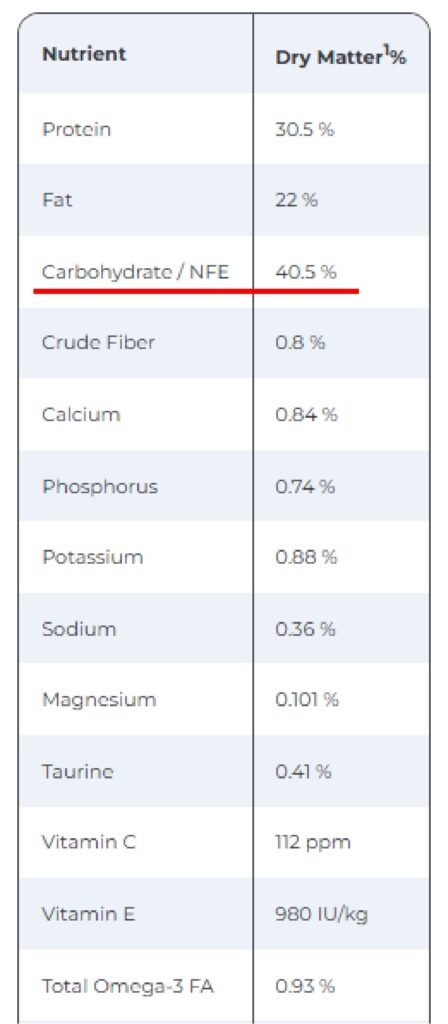
Carbohydrates are not an essential part of a cat’s diet, as they are obligate carnivores and derive most of their energy from protein and fat. Unfortunately, not all cat food brands disclose the carbohydrate content on their labels. However, you can estimate it yourself by subtracting the percentages of all other listed nutrients (protein, fat, moisture, fiber, ash, etc.) from 100.
For example, if the Guaranteed Analysis shows:
Protein: 35%
Fat: 15%
Moisture: 10%
Fiber: 3%
Ash: 8%
Then, the approximate carbohydrate content would be:
100 – (35 + 15 + 10 + 3 + 8) = 29% (+/-) carbohydrates
Ideally, carbohydrates in cat food should be as low as possible, preferably under 10%, to align with a carnivore’s natural diet. However, it’s important to note that carbohydrates are necessary to form the structure of kibble, as they act as binders to create the dry, crunchy texture. While some amount of carbs is unavoidable in kibble, look for foods that use low-glycemic options like lentils or chickpeas instead of high-glycemic fillers like corn or wheat.
Fat
A crude fat content of around 10-20% is generally good, providing the necessary energy and fatty acids
Fiber
Crude fiber percentages are usually lower, around 1-4%. Fiber aids in digestion but should not be a predominant component of a cat’s diet.
Vitamins, Minerals, and Taurine
Cats require specific vitamins and minerals to thrive. Check the label for these essential nutrients:
- Vitamins: A, D, E, and K should be present in adequate amounts.
- Minerals: Calcium, phosphorus, and magnesium are crucial for bone health and metabolic functions.
- Taurine: This amino acid is essential for heart and eye health and must be included in any cat food.
Omega-3 Fatty Acids
In addition to proteins and fats, Omega-3 fatty acids, primarily from fish oil, are highly beneficial for cats. They help reduce inflammation, support brain function, and contribute to a healthier coat and skin. Foods with added Omega-3 sources like DHA and EPA are especially important for kittens and older cats.
Probiotics and Beneficial Microorganisms
Including probiotics or fermented products in cat food helps maintain a healthy gut microbiome. These microorganisms promote better digestion, enhance nutrient absorption, and support a strong immune system. Look for terms like “probiotic cultures” or “fermented ingredients” on the label to ensure your cat gets the benefit of good bacteria.
Final Thoughts
Choosing the right dry food for your cat may seem overwhelming, but by focusing on the key aspects we’ve discussed—high-quality protein sources, low carbohydrate content, natural antioxidants, and essential nutrients—you can make informed decisions that support your cat’s health and well-being. While kibble isn’t the ideal diet for an obligate carnivore, selecting the least harmful options and complementing them with moisture-rich foods, such as wet or homemade diets, can significantly improve your cat’s overall nutrition.
Remember, your cat relies on you to make the best choices for their health. Take the time to read labels, avoid harmful additives, and ensure their diet aligns as closely as possible with their natural needs. Small changes can make a big difference in their energy levels, coat quality, and overall happiness. Your furry friend deserves the best—start making those better choices today!