

Your cat is your world—almost like your child, or let’s be honest, your furry baby. But as they grow older, they require a bit more care and attention to keep them comfortable and happy. Senior cats have different needs than younger ones, and understanding those changes is key to ensuring they live their golden years to the fullest. From adjusting their diet to creating a senior-friendly environment, there’s so much you can do to improve their quality of life. In this article, we’ll explore essential tips to help your senior cat stay healthy, active, and content.
Proper Nutrition for Senior Cats
As cats age, their metabolism and dietary needs shift significantly. Providing proper nutrition is one of the most impactful ways to support their health and improve their quality of life. Senior cats require a balanced diet tailored to their evolving needs, focusing on maintaining muscle mass, managing weight, and addressing common health concerns.
With age, cats tend to slow down, leading to reduced physical activity and a lower caloric requirement. However, they still need high-quality proteins to preserve muscle mass and prevent age-related muscle loss. Digestive efficiency can also decline, making it essential to provide easily digestible foods that their aging bodies can process effectively.
Dietary Changes for Aging Cats
To keep your senior cat healthy and thriving, focus on the following nutrients:
- High-Quality Proteins: Look for lean meat sources such as chicken, turkey, or beef. These proteins support muscle maintenance and provide essential amino acids.
- Low Phosphorus: As cats age, they may develop kidney problems, so monitoring phosphorus intake becomes crucial. On a dry matter basis, phosphorus levels should ideally range between 0.8% and 1.2% to support kidney health while maintaining overall nutritional balance.
- Healthy Fats: Omega-3 fatty acids, often found in fish oil, help reduce inflammation, promote joint health, and maintain a shiny coat.
- Fiber: Additional fiber can alleviate common digestive issues like constipation, supporting overall gut health.
- Hydration:Senior cats are more prone to dehydration due to their reduced sense of thirst. A moisture-rich diet is the best solution to keep them hydrated, and it’s beneficial for cats of any age.
- Probiotics: Including probiotics in your cat’s diet can support a healthy gut microbiome, aiding digestion and improving nutrient absorption. Look for foods or supplements with added probiotics to enhance your senior cat’s digestive health.
Food Recommendations for Senior Cats
Choosing the right food is vital for meeting your cat’s specific needs:
- Senior-Specific Foods: Many brands offer formulations tailored for older cats, providing lower protein content, lower fats, and fewer calories to match their changing metabolism. However, we generally do not recommend senior-specific foods that offer low protein levels, as they aim to reduce phosphorus intake due to potential kidney issues. Lowering protein in an aging cat’s diet, especially one already losing muscle mass, can lead to further muscle degradation, which is far from ideal. Instead, focus on high-quality protein sources that support muscle retention while managing phosphorus levels.
- Natural and Balanced Diet: If possible, opt for a fresh, natural diet. If this isn’t feasible, supplement dry food with senior-specific wet food to ensure variety and moisture intake.
Diet Transition Tips
When transitioning your cat to a new diet, do so gradually to avoid digestive upset:
- Slow Introduction: Mix the new food with the old one, gradually increasing the amount of the new food over 7–10 days, depending on how your cat reacts.
- Smaller, Frequent Meals: Feeding smaller portions more frequently can improve digestion and help maintain consistent energy levels.
Check out our transitioning guide here.
Supplements for Senior Cats
If needed, certain supplements can further enhance your senior cat’s diet. Always consult your veterinarian before introducing any new supplements:
- L-Carnitine: Supports heart health and liver detoxification
- CoQ10 (Coenzyme Q10): Benefits heart, kidney, and liver function
- Omega-3 Fatty Acids: Reduce inflammation and support joint and heart health
- MSM (Methylsulfonylmethane): A natural pain reliever with anti-inflammatory properties
- Glucosamine and Chondroitin: Promote cartilage health and joint flexibility
- Golden Paste: An anti-inflammatory turmeric-based supplement
- Quercetin and Resveratrol: Antioxidants that support cellular health and brain function
Creating a Comfortable Environment for Senior Cats
As cats age, their physical abilities and environmental needs change. Providing a comfortable and accessible environment can significantly improve their quality of life. By making thoughtful adjustments to your home, you can ensure your senior cat feels safe, secure, and at ease.
Accessibility for Aging Cats
Senior cats may struggle with activities that were once easy, such as jumping onto furniture or climbing stairs. To help them move around comfortably:
- Use Ramps or Steps: Place ramps or soft steps near their favorite spots, like the bed or couch, so they can access them without straining.
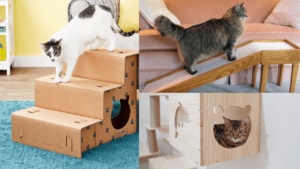
- Accessible Essentials: Ensure their bed, food, and litter box are in easily reachable areas to minimize the need for climbing or extensive movement.
Comfort is Key
Older cats often develop arthritis or other joint issues, making soft and supportive bedding essential:
- Orthopedic Beds: Invest in beds designed to alleviate joint pain and stiffness. These beds provide extra cushioning and support for aching joints.
- Warm Sleeping Areas: Cats tend to feel colder as they age due to reduced muscle mass and slower metabolism. Make sure their resting areas are warm, especially during colder months.
- Shared Spaces: If your cat sleeps with you, ensure they stay warm and comfortable by providing a soft blanket or heated pad.
A Calm and Stress-Free Environment
Senior cats can become more sensitive to stress and changes in their surroundings. Maintaining a calm and predictable environment is crucial:
- Minimize Stress: Avoid sudden changes in your home, such as rearranging furniture or introducing new pets. Create a safe space where your cat can retreat if they feel overwhelmed.
- Routine Matters: Stick to a regular schedule for meals, playtime, and rest. Predictable routines help reduce anxiety and provide a sense of security.
- Anti-Stress Products: Consider using pheromone diffusers, calming sprays, or natural remedies like Bach flowers to promote relaxation.
Social Interaction and Emotional Well-Being
While senior cats may not be as active as before, they still need social interaction and mental stimulation:
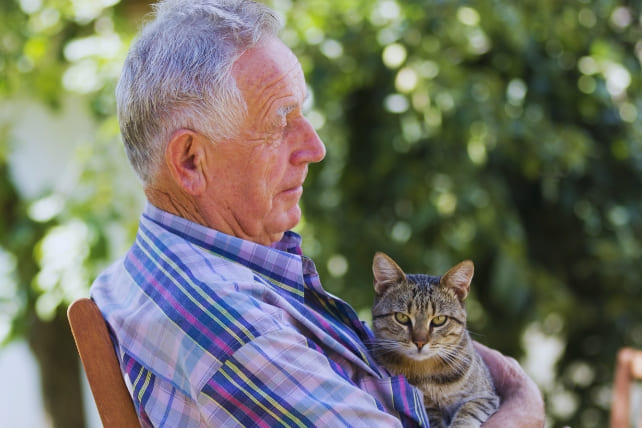
- Quality Time: Spend time petting and talking to your cat in a gentle and reassuring tone. This strengthens your bond and helps keep their spirits high.
- Play and Entertainment: Provide interactive toys that require minimal effort but keep them engaged. Puzzle toys, slow-moving feather wands, or soft plush toys can encourage play without overexertion.
- Contact with Nature: Give your cat the chance to enjoy nature. If they are comfortable with it, take them out for walks using a secure harness and leash. For cats that are nervous or dislike walks, consider building a catio in your garden. This enclosed outdoor area lets them experience fresh air, sunshine, and the sights and sounds of the outdoors while staying safe.
Moderate Physical Activity
Staying active is vital for maintaining mobility and overall health, even in older cats:
- Short Play Sessions: Encourage moderate activity through gentle games or short playtimes. Ensure activities are not too strenuous and allow for plenty of rest.
- Low-Impact Games: Activities like rolling a ball or offering slow-moving laser pointers can keep your senior cat entertained and physically stimulated.
Sensory Stimulation
Keep your cat’s senses sharp by introducing new textures, scents, and experiences:
- Textured Toys: Offer scratchers or toys with different surfaces to stimulate their sense of touch.
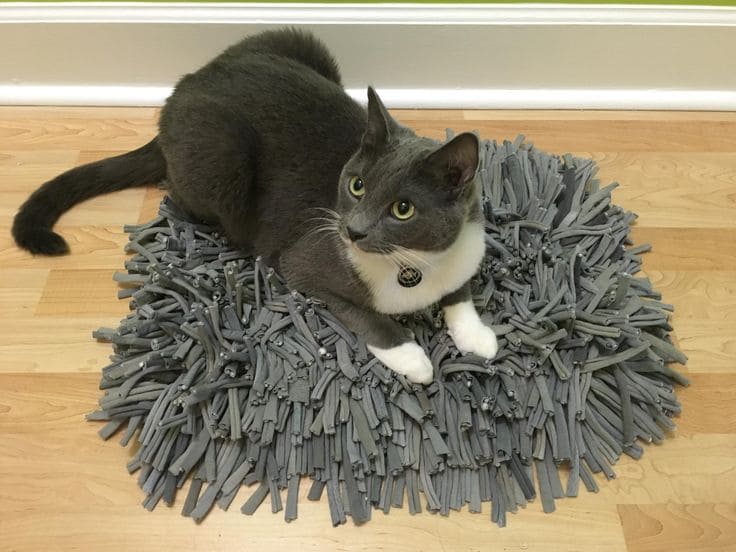
- Sniffing Games: Hide small treats or their favorite kibble around the house to engage their sense of smell and encourage exploration. There are snuffle mats which you can use to hide treats.
By creating a senior-friendly environment, you can ensure your cat feels comfortable, secure, and loved. These adjustments may seem small, but they can make a world of difference in your cat’s happiness and well-being as they navigate their golden years. Always remember to tailor your approach to your cat’s specific needs, and don’t hesitate to consult with your veterinarian for additional guidance.
Regular Health Monitoring for Senior Cats
As cats age, regular health monitoring becomes even more critical to ensure their well-being and catch any potential issues early. Senior cats are more prone to health problems, and proactive care can make a significant difference in their quality of life. Here are the key components of a health monitoring routine:
Routine Veterinary Checkups
Biannual veterinary visits are highly recommended for senior cats. These checkups allow for early detection of health problems and provide an opportunity to address any concerns promptly:
- Common Tests: Ensure your vet performs standard diagnostic tests, including:
- Complete Bloodwork: Identifies potential issues such as kidney disease, diabetes, or anemia.
- Abdominal Ultrasound: Detects changes in organ structure or signs of tumors.
- Cardiac Evaluation: Assesses heart function and detects conditions like hypertension or heart disease.
- Preventive Care: Discuss vaccinations, deworming schedules, and any supplements or medications that may benefit your cat.
Behavioral Observation at Home
Your cat’s behavior often provides the first clues to underlying health issues. Pay close attention to the following signs:
- Appetite Changes: A decrease or increase in appetite can indicate dental issues, gastrointestinal problems, or other health concerns.
- Weight Fluctuations: Sudden weight loss or gain should be addressed immediately, as it may signal conditions like hyperthyroidism, obesity, or metabolic disorders.
- Bathroom Habits: Monitor litter box activity, noting changes in urination or defecation frequency, consistency, or color. Increased water consumption and urination may be early signs of kidney disease or diabetes.
- Mobility Issues: Limping, reluctance to jump, or stiffness may point to arthritis or joint discomfort.
- Sleep Patterns: Changes in sleep duration or location could indicate pain, discomfort, or anxiety.
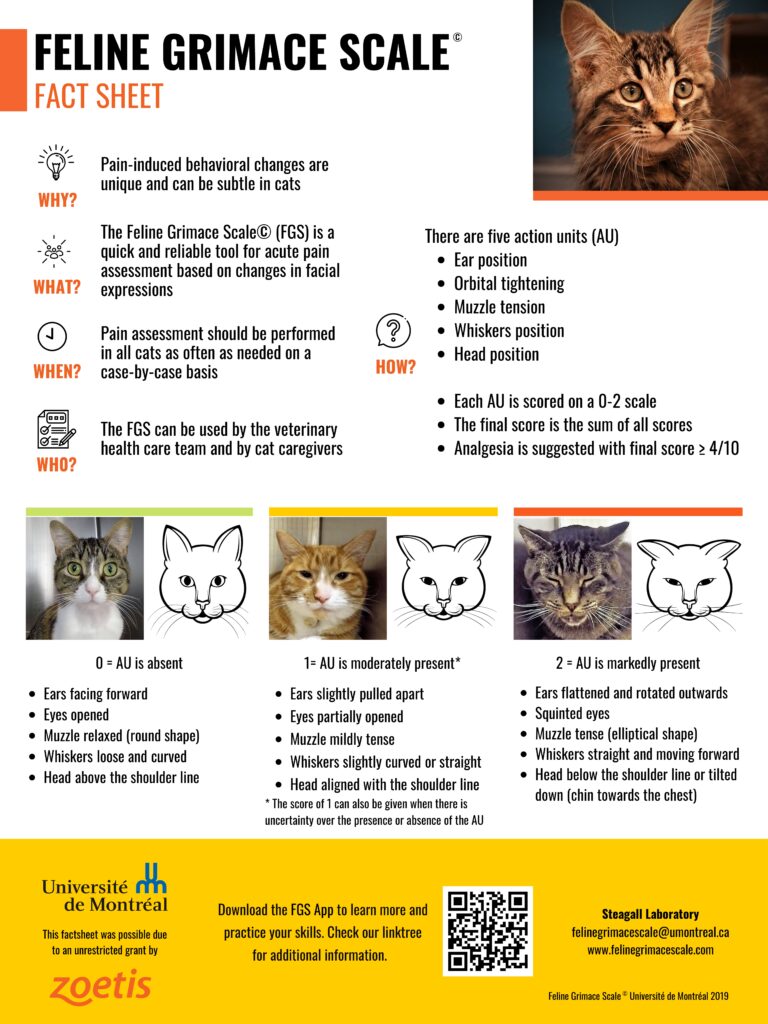
Using a Feline Pain Scale
Recognizing pain in cats can be challenging since they often hide discomfort. Learning to interpret subtle cues in their facial expressions and body language is crucial:
- Ears: In a relaxed cat, ears are forward and alert. Pain may cause the ears to flatten or rotate outward.
- Eyes: Healthy cats have wide, open eyes. Squinting or partially closed eyes can indicate discomfort.
- Muzzle: A round and relaxed muzzle suggests comfort, while tension or an elongated, elliptical shape may signal pain.
- Whiskers: Relaxed, curved whiskers indicate a calm state. Straight and forward-pointing whiskers often indicate stress or discomfort.
- Head Position: A pain-free cat holds its head high above the shoulders. A lowered or drooping head may be a sign of pain.
For mild pain, these signs may be subtle. In moderate to severe pain, they become more pronounced, requiring immediate veterinary attention.
Keeping a Health Journal
Maintaining a log of your cat’s daily habits can be incredibly useful for detecting patterns and changes over time:
- Record their weight weekly or monthly.
- Track their food and water intake.
- Note any changes in litter box behavior or activity levels.
- Log any unusual behaviors, such as hiding, vocalizing more often, or grooming excessively.
When to Seek Immediate Veterinary Care
Certain symptoms should prompt an urgent visit to the vet, including:
- Persistent vomiting or diarrhea.
- Difficulty breathing.
- Sudden inability to move or walk.
- Significant changes in appetite or water intake.
- Noticeable pain, indicated by loud vocalizations, avoidance of touch, or hunched posture.
By combining regular veterinary care with vigilant observation at home, you can ensure your senior cat stays as healthy and comfortable as possible. Early intervention is key to managing age-related health challenges and extending your cat’s golden years with you.
Final Thoughts
Every senior cat deserves to live their final years in peace, free from pain, and surrounded by love. By following the tips and recommendations in this article, you can give your aging feline friend the life they deserve—a life filled with warmth, joy, and companionship. So take a moment today to reflect on what more you can do for your senior cat, and let them know just how much they mean to you. They’ve given you years of unconditional love and loyalty—now it’s your turn to return the favor. ❤️
Check out our video on ‘Tips to Make your Senior Cat Happy’ on YouTube 👇