

Our lovely cats originated in the arid landscapes of the desert. They hunted small prey which provided most of their water needs due to its high moisture content—between 70 and 80%. Yes, cats are not naturally inclined to drink water like us do. If you have paid attention to your cat enough, you might have noticed that when they drink water, they don’t seem to do it very effectively so they don’t even take advantage of that beautiful bowl of water you have at home.
The best way to keep hydrated your cat is through its diet. But, why is hydrating a cat so important? A chronic dehydration has the power to stress the kidneys and creates an environment for urinary tract issues, which are very common health issues in cats that led them to death. If you only feed kibble, your cat is thirsty as hell and we have to change that for its health and happiness. Imagine that a typical serving of dry food provides one-half tablespoon of water while cats need 8 to 27 (or even more) per day.
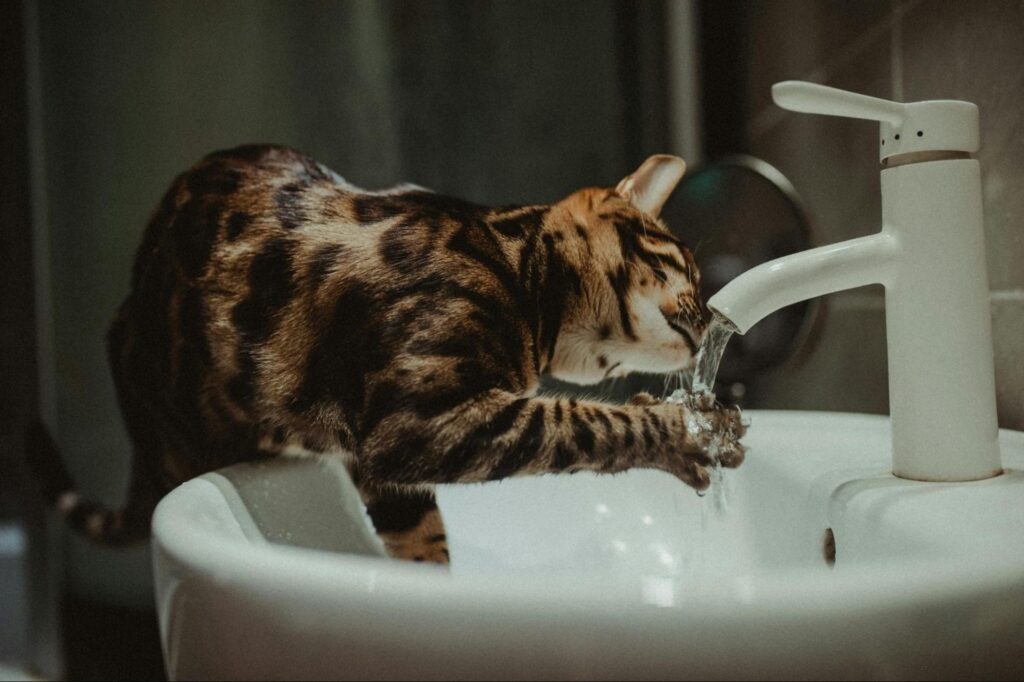
Here are some easy tricks to keep your cat hydrated:
1. Switch to a Moisture-Rich Diet
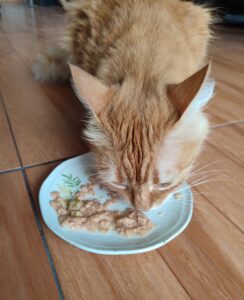
Transition your cat to a diet rich in moisture, such as canned or homemade food (raw or cooked). Even adding one meal a day of these can significantly increase their hydration, as cats on such diets often get most of their water from food.
2. Add Moisture to Meals

Enhance your cat’s meals by mixing in broth or water. Pour broth over kibble as cats often prefer this over water-soaked kibble, which they may dislike. You can also mix water with canned or homemade food to increase hydration. Avoid leaving broth-soaked kibble out for more than 30 minutes to prevent spoilage.
3. Enhance Water Flavor
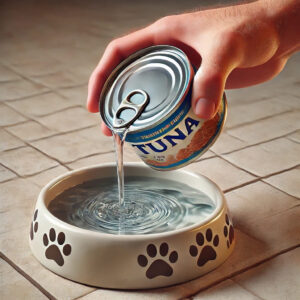
Make water more appealing by adding a small amount of tuna juice (in water, not oil), low-sodium chicken broth, or even flavored ice cubes. You can also try dropping plain ice cubes into their bowl to keep water cool and fun.
4. Optimize Water Bowl Setup
Place multiple water bowls in accessible locations, use wide and shallow bowls to prevent whisker fatigue, and keep bowls away from litter boxes and food. Experiment with bowl materials like glass, ceramic or stainless steel, as plastic is not a good option—it can harbor bacteria and biofilm. Be sure to wash your cat’s water bowl daily to maintain cleanliness and prevent bacteria buildup.
5. Avoid Letting Cats Drink from Faucets
While cats may find drinking from taps fun and refreshing, this habit can discourage them from drinking from their bowls, leading to dehydration if you’re not home to turn on the faucet. It’s best to train your cat to rely on their bowls or a water fountain instead.
6. Encourage Hydration Through Activity
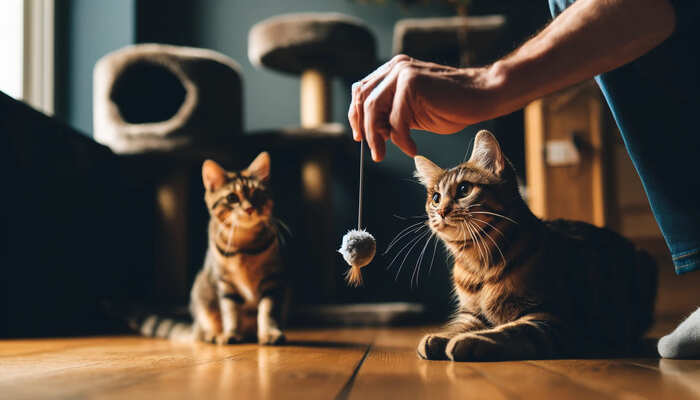
Encourage hydration during playtime by offering water breaks after physical activity. Cats are often more inclined to drink after engaging in fun or exercise, making it a great opportunity to boost their water intake.
7. Keep Water Fresh and Clean
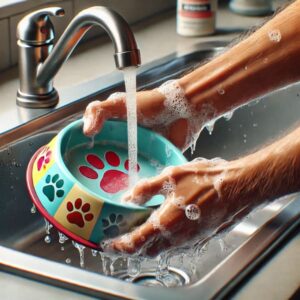
Change the water daily and clean bowls regularly to keep it appealing and free of bacteria. Monitor your cat for signs of dehydration, such as dry gums or lethargy, and consult a vet if needed.
Conclusion
By incorporating these tips into your cat’s daily routine, you’ll not only help them stay hydrated but also improve their overall health and well-being. If you’ve ever thought, ‘My cat won’t drink water,’ these strategies can make a real difference.
Hydration is essential for preventing common health issues in cats, and with small changes like enhancing their diet, optimizing their water setup, and encouraging better drinking habits, you’ll ensure your furry friend thrives. Remember, every small effort counts toward giving your cat a healthier, happier life! Let us know if these tips help you.