
As an Amazon Associate I earn from qualifying purchases.
If you’re reading this, chances are your cat is having a rough time with diarrhea. I’ve been there—just last week, my cat Terry had a sudden bout of completely liquid stools! But with quick action, I helped him bounce back. Let me share what worked, so you can feel confident caring for your kitty.

Understand your Cat’s Stools
1️⃣ Acute Diarrhea
- What It Is: Sudden, frequent watery or loose stools.
- Causes: Stress, diet changes, infections, parasites, or eating something odd.
- Duration: 1–3 days.
- Key Signs:
- Frequent litter box trips (but small amounts).
- May have mucus or fresh blood.
- Kitty acts normal otherwise.
- Action: Manage at home with probiotics (S. boulardii), bland food, and hydration.
2️⃣ Chronic Diarrhea
- What It Is: Ongoing or recurring diarrhea (weeks to months).
- Causes: Food allergies, IBD, organ disease, parasites, or low-quality diets.
- Key Signs:
- Stool volume ranges from normal to large.
- No mucus typically.
- May come with weight loss or lethargy.
- Action: Requires vet workup (blood tests, diet trials) to address the root cause.
3️⃣ Soft Stools
- What It Is: Occasional mushy poop, not true diarrhea.
- Causes: Mild indigestion, minor diet changes, or unknown triggers.
- Key Signs:
- Only 1–2 abnormal stools.
- No frequent litter box trips.
- Action: Monitor and adjust diet if needed. Usually resolves on its own.
🚨 Red Flag: Watery Stool + Straining
This could signal a blockage (hairball, foreign object) or severe constipation (obstipation).
- Signs: Straining, vomiting, no normal poop.
- Action: Vet ASAP—X-rays or enemas may be needed.
Stay Calm and Assess
First, take a deep breath. Occasional diarrhea is common in cats, just like humans. Start by observing:
- Is your cat acting normal otherwise (playing, eating, grooming)?
- How frequent are the litter box trips?
- Are there signs of blood, mucus, or extreme lethargy?
If your cat seems mostly themselves, you can likely manage this at home. Here’s how I tackled Terry’s issue:
Skip the Pumpkin and Rice
Many guides suggest pumpkin or rice, but these can backfire. Rice may ferment in the gut, worsening gas, and pumpkin isn’t always effective. Instead, try this two-step plan:
- Grab a Probiotic Powerhouse
Head to a health store, pharmacy, or online retailer for Saccharomyces boulardii (S. boulardii). Look for 5 billion CFU or 250mg capsules. Brands like Jarrow (US), Bioglan (UK), or Candex (Australia) work well. Avoid versions with lactose if possible. - Cook Up a Bland Meal
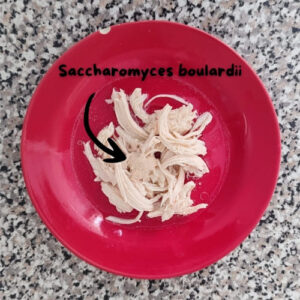
Boil plain chicken breast (or turkey/pork if your cat has sensitivities). Avoid organ meats—they’re too rich and can worsen diarrhea. Check labels for added salt (under 100mg sodium per 4oz). Shred the meat and mix with its cooking broth for easy digestion.
Try Slippery Elm (Ulmus rubra) for Extra Digestive Support
If you’re looking for a natural way to soothe your cat’s stomach, consider Slippery Elm. This herbal powder coats the gastrointestinal tract, helping reduce inflammation and irritation. Just mix a small pinch (follow your vet’s guidance or package instructions) into your cat’s bland meal. Make sure your cat is well-hydrated, as Slippery Elm works best when there’s enough fluid intake.
When to Call the Vet
While many cases resolve at home, rush to the vet if your cat:
- Passes black, tarry stools (sign of internal bleeding).
- Acts weak, hides constantly, or vomits repeatedly.
- Has diarrhea longer than 24–48 hours despite treatment.
- Shows large amounts of blood or only passes mucus.
Kittens, seniors, or cats with chronic illnesses need extra care—dehydration risks are higher!
Why S. Boulardii?
If your cat has diarrhea, Saccharomyces boulardii (S. boulardii) might be the gentle yet powerful probiotic you’ve been searching for. Unlike bacterial probiotics, this unique yeast strain has decades of research backing its safety and effectiveness in managing digestive upset—in both humans and pets. Let’s break down why veterinarians and cat parents worldwide trust it.
S. boulardii is a non-pathogenic yeast, closely related to brewer’s yeast but with distinct benefits. Here’s why it stands out:
- Targeted Action: It works directly in the intestines without being absorbed into the bloodstream, making it safe and focused on gut health.
- Fights Pathogens: Proven to combat harmful bacteria like E. coli, Salmonella, and antibiotic-resistant C. difficile (Zanello, 2009).
- Reduces Inflammation: Studies show it soothes intestinal inflammation and supports immune function.
- Safe for All Ages: Used in children and pets, even alongside antibiotics (since antibiotics don’t kill yeast).
Research from institutions like UC Davis and Texas A&M confirms its benefits for cats, emphasizing that “pet-specific” probiotics aren’t necessary—well-studied strains like S. boulardii work across species.
How It Works: A Game-Changer
S. boulardii acts like a temporary ally in your cat’s digestive system:
- Balances Gut Flora: Promotes growth of healthy bacteria while crowding out harmful microbes.
- Strengthens the Gut Lining: Protects against irritation and leaky gut syndrome.
- Neutralizes Toxins: Binds to bacterial toxins that cause diarrhea.
- Short-Term Support: Unlike bacterial probiotics, it doesn’t colonize the gut. After stopping use, it clears within 36 hours.
Dosing Guide: Emergency Care & Maintenance
For Emergency Stop Diarrhea:
- Adult Cats: Give ½ capsule (250mg or 5 billion CFU) twice daily.
- Kittens: Use half the adult dose.
For Acute Diarrhea (Emergency Protocol):
- Adult Cats (9+ months): Give ¼ capsule (250mg or 5 billion CFU) every 2 hours for 1–2 days. Mix into bland food, meat-only baby food, or use a pill pocket.
- Kittens: Use half the adult dose.
Why frequent dosing? This “loading phase” floods the gut with S. boulardii, speeding recovery. Most cats improve within 24–48 hours.
After Improvement (Maintenance):
- Reduce to ½ capsule twice daily for 7 days.
- For ongoing gut health, continue a daily maintenance dose (250–500 million CFU).
Our Top Picks
Important Tips & Warnings
- Avoid Lactose: Some brands (like Florastor) contain lactose, which can worsen diarrhea. Opt for lactose-free options like Jarrow (US) or Bioglan (UK).
- If Diarrhea Worsens: Stop immediately. This could indicate lactose intolerance or bacterial die-off. Restart slowly at ¼ dose after 24 hours, or consult your vet.
- Never Use With: Organ meats or rich foods—stick to bland diets (poached chicken, turkey, or pork).
- Stay on Top of Hydration: Diarrhea can lead to dehydration quickly, especially in kittens or senior cats. Encourage your cat to drink by offering fresh water in multiple bowls, using a pet fountain, or even offering a low-sodium broth. If your cat isn’t drinking enough on their own, use a clean syringe (no needle) to give them small amounts of water or broth.
Final Thoughts: You’ve Got This!
Dealing with a cat’s diarrhea can feel overwhelming, but remember—most cases resolve quickly with patience and the right care. My own cat bounced back in just days thanks to S. boulardii and a simple bland diet. Here’s what to keep in mind:
- Trust Your Instincts: If your cat is still playful and eating, home care is likely safe. Focus on hydration, probiotics, and gentle meals.
- S. Boulardii is a Hero: Backed by science and real-world success, this probiotic tackles diarrhea at its root while protecting gut health.
- Act Fast, But Stay Calm: The “emergency dosing” protocol can stop diarrhea in its tracks, but always monitor for red flags like lethargy or black stools.
While it’s tempting to panic, most cats recover fully with supportive care. That said, never hesitate to call your vet if something feels “off.” Kittens, seniors, and cats with chronic conditions deserve extra caution—dehydration can escalate fast.
Finally, celebrate the small wins! Seeing Terry’s stools firm up after 48 hours was a relief, and it reminded me how resilient our pets are with a little help. Keep S. boulardii in your pet first-aid kit, stick to bland meals during flare-ups, and remember: you’re doing great.
Here’s to happy tummies and even happier cats! 🐾
P.S. Terry’s now back to his mischievous self—proof that with love and the right tools, recovery is just around the corner.