
They may seem funny, but having a chubby or obese cat is not as harmless as it looks. Excess weight in cats can lead to serious health problems, including diabetes, joint pain, and heart issues, just like humans. If you’re a cat parent, you probably want your furry friend to live a long, happy, and healthy life, right? In this article, we’ll explore simple and effective tips to help your feline shed those extra pounds and get back to their playful, energetic self. Let’s get started!

- Stop feeding kibble: Kibble (dry food) contains a high amount of carbs and flavor enhancers. Carbs are unnecessary in a strict carnivore diet, yet this type of food is packed with them—approximately 30–40%. Even “grain-free” options include carbs in the form of vegetables and fruits, which are not essential for a cat’s diet. Additionally, flavor enhancers are one of the main reasons cats become addicted to kibble. Allowing your cat to eat kibble freely (ad libitum) worsens the problem, as they eat whenever they want and in any quantity they desire. If you can’t stop feeding kibble, read this article to learn how to choose high-quality dry food.
- Schedule meal times: Our carnivores, should eat small portions 3 to 6 times a day. In the wild, they hunt multiple times daily and consume small meals because their stomachs are not designed to stretch like a dog’s. To prevent obesity, plan their daily meals carefully and avoid overfeeding your cat.
- Use automatic feeders: Whether you’re feeding kibble, canned food, or a homemade diet, automatic feeders can be a great solution if you can’t be home to feed your cat during the day. Scheduling meal times is crucial to avoid free feeding, which can lead to overeating. Don’t worry—they’ll adapt to the new routine!
- Start feeding homemade food: Whether raw or cooked, preparing your cat’s meals at home is the best way to ensure they’re getting the right ingredients and nutrients. Homemade food allows you to control what goes into their diet, eliminating unnecessary fillers like carbs or harmful additives often found in commercial pet food.
- Maintain your cat active: Cats are natural hunters, and engaging their instincts through play is essential for their physical and mental health. Invest in toys that encourage movement, such as cat wands, laser pointers, or interactive puzzle toys that dispense treats. Regular play sessions help burn calories and keep your cat entertained.
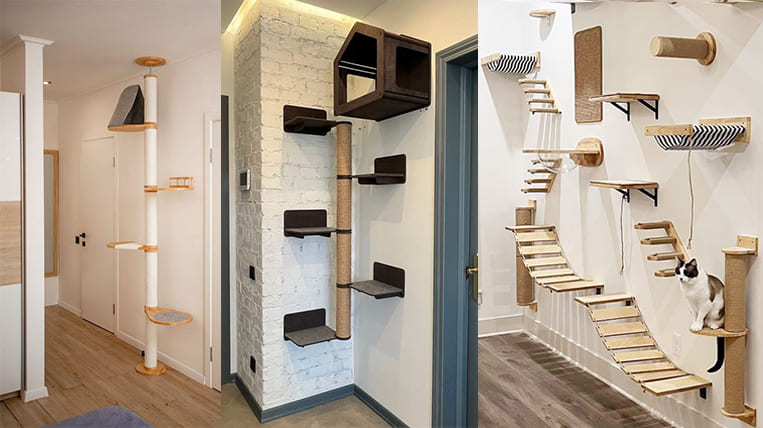
- CATification is key: If you live in a small space, you can catify your home to provide more opportunities for activity. But what does “catify” mean? It’s the process of making your living space more stimulating and cat-friendly by creating vertical spaces and enrichment opportunities. This can include adding cat shelves, climbing trees, or wall-mounted perches where they can climb, jump, and explore. Catification can make even the smallest apartment feel like a jungle gym for your feline friend, helping them stay active and happy.
Conclusion
Helping your cat achieve a healthy weight is one of the best things you can do to ensure they live a longer, happier, and more energetic life. By making thoughtful changes, such as feeding them a balanced diet, scheduling meals, incorporating playtime, and even “catifying” your home, you’re setting them up for success. Remember, it’s all about creating an environment that supports their natural instincts while providing the proper nutrition they need.
Small steps can lead to big results—start today, and your furry friend will thank you with every purr, play, and happy nap! Keep their health and happiness a priority, and don’t hesitate to consult your vet for personalized advice along the way. You’ve got this, and so does your cat!